How microneedling can negatively affect skin & ageing
How microneedling can negatively affect skin & ageing
1. Chronic inflammation = accelerated ageing
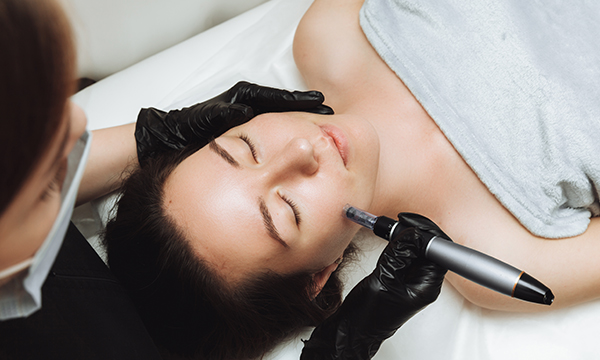
Microneedling works by creating controlled injury. That’s fine occasionally.
But frequent treatments (or aggressive depths) can keep skin in a constant inflammatory state.
Chronic inflammation leads to:
Collagen breakdown over time
Thinner, more fragile skin
Loss of elasticity
Premature laxity
This is especially true for:
People doing it every 4–6 weeks long-term
At-home microneedling
Clinics chasing “collagen stimulation” too aggressively
Inflammation ages skin faster than almost anything else.
2. It can damage the skin barrier
Repeated needling compromises the stratum corneum (your protective barrier).
Barrier damage can cause:
Dehydration → fine lines look worse
Sensitivity & redness
Increased TEWL (trans epidermal water loss)
Skin that looks older despite being “treated”
3. Risk of fibrosis instead of healthy collagen
This is a big one that’s not talked about enough.
Aggressive or repeated microneedling can stimulate fibrotic collagen (scar-like tissue) rather than youthful collagen.
Result:
Skin feels thicker but less elastic
Loss of natural bounce
“Crepey” or stiff texture over time
This is commonly seen in:
Thin or mature skin
Under-eye areas
Neck and décolletage
4. Fat loss & volume depletion (yes, really)
Deep or frequent needling can trigger subclinical fat loss, particularly in:
Cheeks
Under eyes
Temples
Inflammation + repeated trauma can contribute to:
Hollowing
A more skeletal or aged look
Loss of facial softness
This is why some people say microneedling made them look older after a year or two.
5. Pigmentation issues in reactive skin
For clients prone to:
Melasma
PIH
Rosacea
Microneedling can worsen pigmentation through inflammatory pathways.
More inflammation = more melanocyte stimulation = darker, patchier pigment.
6. Not all collagen stimulation is good collagen
Microneedling stimulates wound-healing collagen, not necessarily the same type that keeps skin youthful long-term.
Compared to other modalities (biostimulators, LED, RF, regenerative injectables), microneedling:
Is less targeted
More inflammatory
More dependent on practitioner skill
When microneedling can be appropriate
To be fair — it can work well when:
Done infrequently (2–3x per year, not endlessly)
Depth is conservative
Used for scarring, not general “anti-ageing”
Combined with proper barrier repair & recovery
Avoided in very thin, reactive, or mature skin
Why many clinics are moving away from it
High-end and longevity-focused clinics are shifting toward:
Skin barrier-first treatments
Low-inflammation collagen stimulation
Bio stimulatory injectables
LED / regenerative therapies
Because ageing is driven by inflammation and collagen loss, not just a lack of injury.
Bottom line
Microneedling isn’t evil — but chasing collagen through repeated injury can backfire.

If you want to talk through your options, see our skin needling in Richmond page or visit our beauty clinic in Richmond.