
What Is a HydraFacial and What Does It Actually Do to Your Skin?
HydraFacial is one of those treatments people hear about long before they understand it. It turns up in beauty round-ups, across social media, and in conversation with a friend who swears her skin has never looked better. What usually gets skipped is the simple part: what the device is doing to your face, and whether your skin actually needs that kind of help.
So here is the plain version, written from the perspective of therapists who spend their days looking closely at Melbourne skin.
HydraFacial is a brand, not a category
The category is hydradermabrasion. It means exfoliating the skin with liquid rather than crystals, grit or a spinning diamond tip. A handheld wand moves across the face with gentle suction on one side and a stream of solution feeding in on the other. Debris comes out of the pore, hydrating serum goes in, and both happen in the same pass.
That two-way action is the real difference. Most exfoliating facials take something off the skin and then leave you to rehydrate afterwards. This style of treatment removes and replenishes at the same time, which is why the finish tends to look plump instead of tight and stripped. HydraFacial is the best known patented version of it, though several devices work on the same principle.
What happens once you are in the chair
A session usually runs between 30 and 60 minutes and moves through a familiar sequence.
It starts with a cleanse and a light exfoliation to lift surface dead skin. Next comes a mild acid solution, often a blend of glycolic and salicylic, which softens the oil and debris sitting inside the pores so they release without force. Then the suction tip does the extraction, which is where most people feel the treatment properly: a scratchy, tugging sensation, strongest across the nose and chin. Last is the infusion step, where antioxidants, peptides or hyaluronic acid are pushed into the freshly cleared skin. Many clinics finish with LED light therapy to settle any redness.
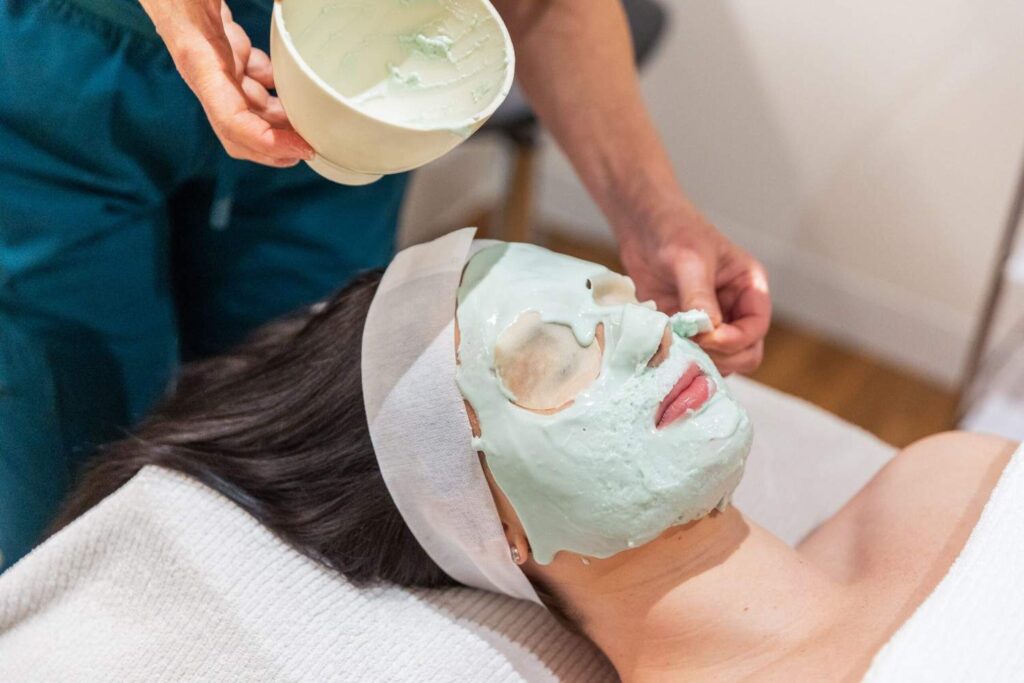
There are no needles, no numbing and no peeling afterwards. Most people go back to work the same day. Your skin is more permeable for a few hours though, so retinol, acids and heavy makeup are best left until the next morning.
What it actually does to your skin
The visible change is mostly about the surface and the layer just beneath it. Pores look emptier because they have been physically cleared. Texture feels smoother because the top layer of dead cells is gone. The skin looks dewy because it is genuinely holding more water than it was an hour earlier.
The hydration effect is real but temporary, generally lasting several days to a week depending on your skin and what you use at home. The changes worth paying for, meaning clearer congestion and a more even texture, build across a series rather than appearing after one visit. In clinic we see this pattern constantly: people book a single session before an event, love the immediate result, then assume one treatment has fixed an underlying concern it was never going to fix.
What a HydraFacial will not do
This is the part most articles leave out, and it matters more than the benefits list.
It will not remodel collagen. Firmness and laxity respond to energy-based treatments such as radiofrequency, HIFU or microneedling, not to surface exfoliation. It will not clear deep pigment or melasma, which sit below the reach of the wand and need a considered corrective plan. It will not resolve inflammatory acne either, because the cause is hormonal and bacterial rather than a matter of blocked pores alone.
It is also not right for everyone. Skin in any of these states should wait:
Very reactive skin sometimes finds the suction more irritating than soothing. A proper assessment first is what keeps a pleasant treatment from becoming a setback.
Who tends to get the most out of it
Congested, dull, dehydrated skin responds beautifully. So does skin that is generally healthy but looking flat after winter, travel or a stretch of poor sleep. It is a sensible entry point for anyone new to clinical skin treatments, since nothing about it is confronting. For maintenance, every four to six weeks suits most people, which lines up with the skin's natural renewal cycle.
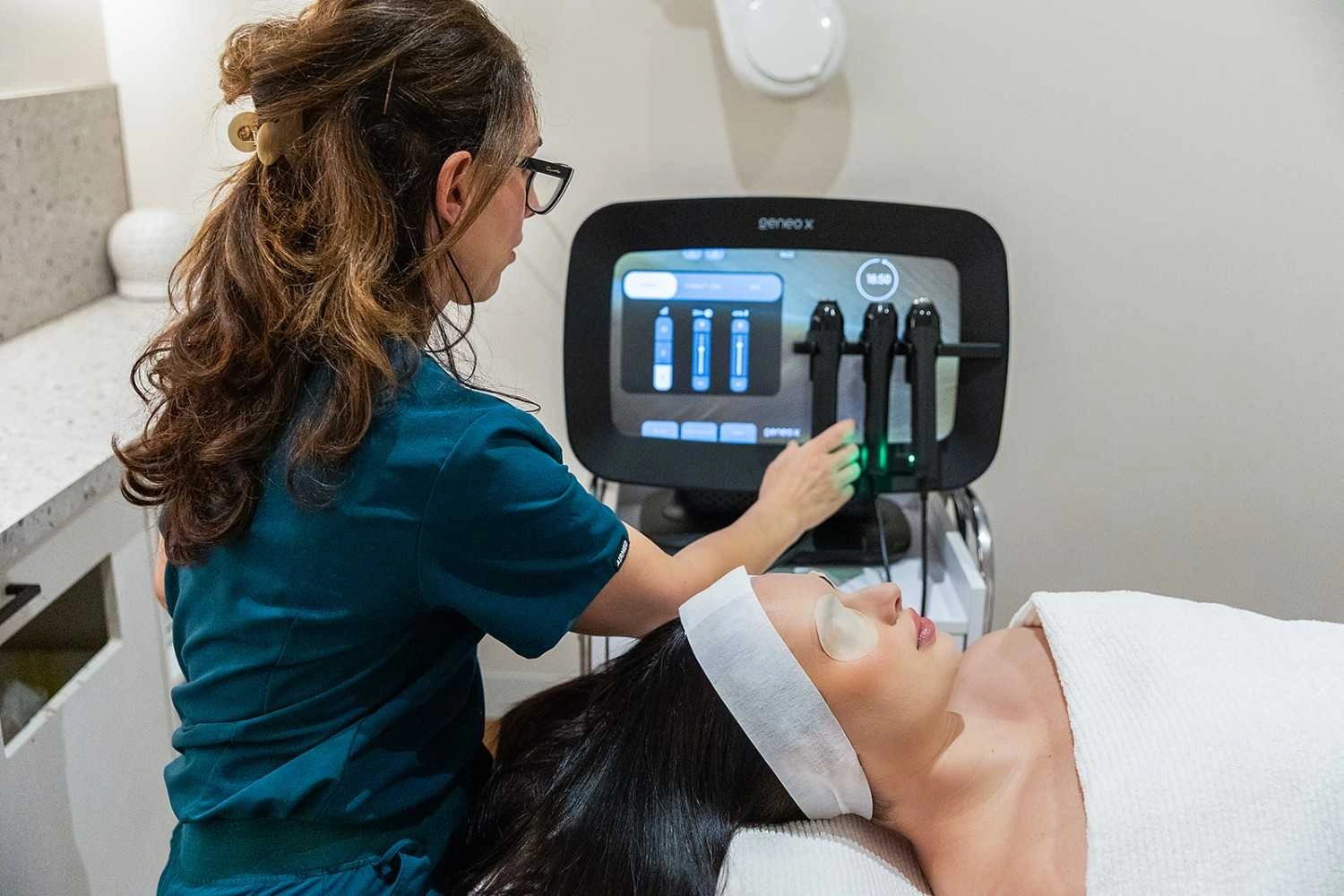
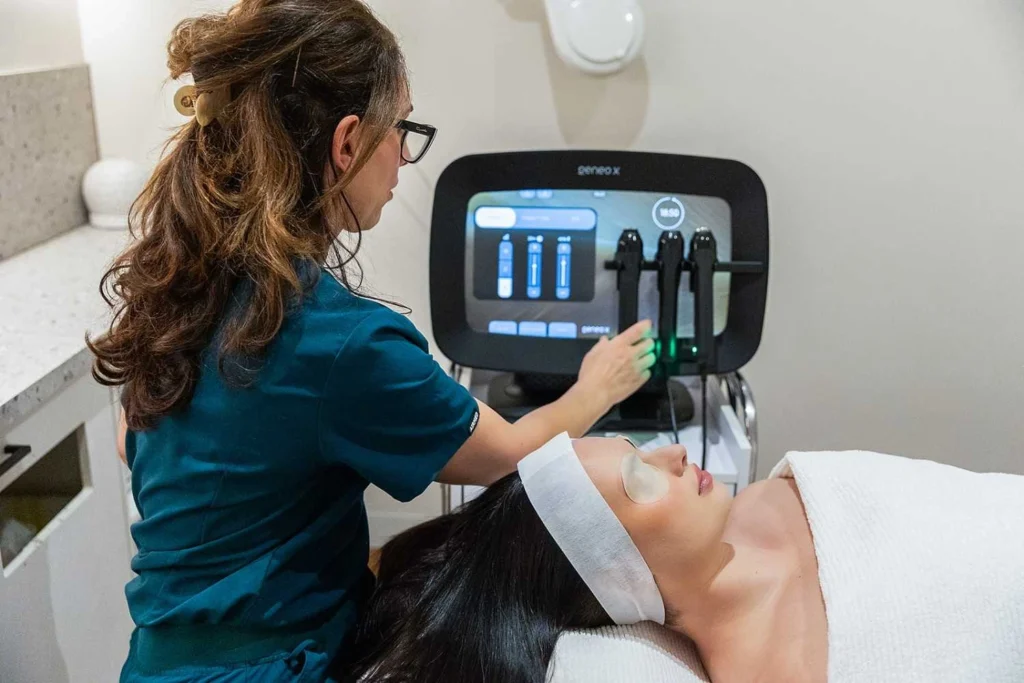
If your concerns run deeper than surface texture, hydradermabrasion works better as one part of a plan than as the whole plan. That is usually how we build it out at Beauty Science, layering a cleansing and hydrating treatment alongside corrective work, and our facials and skin treatments in Richmond are designed to be combined rather than chosen in isolation. Our Pro2Lift Geneo facial delivers a similar exfoliate-and-infuse result, and pairs well with LED or lymphatic drainage massage depending on what your skin is asking for.
Not sure if a HydraFacial suits your skin? Book a skin consultation in Richmond.
Start with your skin, not with the treatment name
The most useful thing you can do is work out what your skin needs before deciding which device you want pointed at it. A diagnostic skin scan shows what is happening below the surface, including congestion and pigment you cannot see in the mirror, and that picture tends to change what people book.
If you have been curious about hydradermabrasion facials and want to know whether one suits your skin, get in touch with our skin cosmetic clinic in Richmond and we will talk it through properly. Our complimentary skin consultation is available when booked alongside a skin treatment, and it is the fastest way to stop guessing.