What Is Skin Needling? A Clinical Guide

What Is Skin Needling? A Clinical Guide

Skin needling has moved from a niche clinical procedure to one of the most requested skin treatments in Australia. If you’ve been researching ways to soften acne scarring, smooth fine lines, or improve uneven texture, you’ve likely come across it under several names: collagen induction therapy, microneedling, dermal needling, or medical needling.

At Beauty Science, we use skin needling as a core part of our clinical skin programs. This guide walks through what it actually is, how it works on the skin, what it treats well, and what you should expect before, during, and after a session.

How skin needling works

Skin needling is a controlled micro-injury treatment. A device fitted with a sterile cartridge of fine, surgical-grade needles creates thousands of vertical micro-channels in the upper layers of the skin. These channels are too small to see with the naked eye, but they’re enough to trigger the skin’s natural wound-healing response.

That response is the whole point. The body floods the treated area with growth factors, fibroblasts, and new collagen and elastin. Over the following weeks, the skin remodels itself, becoming firmer, smoother, and more even in tone.

The needle depth is adjusted depending on the concern and the area being treated. Shallower depths (around 0.5 mm) suit general skin rejuvenation and product penetration. Deeper settings (up to 2.5 mm in clinical settings) are used for established scarring and stretch marks.

Skin needling isn’t a single treatment. It’s a category of treatments, and depth, device, and operator skill matter far more than the brand name on the cartridge.

Skin needling


What skin needling treats well

Skin needling has strong clinical evidence behind it for a defined set of concerns. In our clinic, we most commonly use it for:

✓ Acne scarring, particularly rolling and boxcar scars

✓ Fine lines and early signs of ageing, especially around the eyes and mouth

✓ Enlarged pores and uneven skin texture

✓ Pigmentation irregularities, including some types of melasma when paired with the right topicals

✓ Stretch marks on the body

✓ Dull, tired-looking skin that needs a collagen reset

It’s a versatile treatment, but it isn’t the right answer for everything. Active acne, broken skin, certain pigmentation disorders, and a handful of medical conditions are contraindications. A proper consultation should rule these out before any device touches your face.

What a treatment actually feels like

A typical skin needling session at a clinic runs 45 to 75 minutes from start to finish.

After cleansing, a topical numbing cream is applied for around 20 to 30 minutes. Once the area is numb, the treatment itself takes roughly 20 minutes for the full face. Most people describe the sensation as a mild prickling or vibration rather than sharp pain. Bonier areas (forehead, jawline) feel more than fleshy areas (cheeks).

Immediately after, your skin will look flushed, similar to mild sunburn, and feel warm and tight. This usually settles within 24 to 48 hours, though deeper treatments can take three to five days to fully calm down. Tiny pinpoint dots may be visible on close inspection but are rarely noticeable in normal light.

Aftercare that actually matters

The treatment itself is only half the result. Aftercare is where the collagen response either flourishes or falls flat. Our standard guidance:

  1. No active ingredients (retinol, AHAs, BHAs, vitamin C) for at least 72 hours.
  2. No makeup for 24 hours.
  3. No direct sun exposure for two weeks, and daily SPF 50+ thereafter.
  4. No sweat-heavy workouts, saunas, or swimming for 48 hours.
  5. Use only the post-treatment products your therapist recommends.

Most clients see initial brightness and smoothness within a week, with the deeper remodelling work continuing for six to eight weeks after the session. That’s why we typically program needling in a series of three to six treatments spaced four to six weeks apart, rather than as a one-off.

Choosing a clinic in Australia

Skin needling sits in a strange regulatory grey zone. Shallow cosmetic-depth devices are widely available, but medical-depth needling should only be performed by a qualified therapist in a properly set-up clinic. Things to look for:

✓ A skin therapist or registered nurse with documented needling training

✓ Single-use, sterile cartridges (never reused between clients)

✓ A medical-grade device, not a home roller

✓ A thorough consultation that reviews your medications, skin history, and goals before booking

Beauty Science team in green uniforms promoting skin and wellness, showcasing a collaborative atmosphere.

If a clinic is vague about any of those points, keep looking. Skin needling is safe in the right hands and risky in the wrong ones, and the difference is almost always operator skill rather than equipment.

If you’d like to know whether skin needling is the right fit for your skin, book a consultation with our team and we’ll map out a treatment plan tailored to your concerns and timeline.


Skin Needling vs Microneedling vs Dermapen vs Dermaroller: What’s the Difference?

Skin Needling vs Microneedling vs Dermapen vs Dermaroller: What's the Difference?

If you’ve been researching collagen-boosting treatments, you’ve probably noticed the same four words popping up everywhere: skin needling, microneedling, Dermapen and dermaroller. They’re often used interchangeably, which makes it almost impossible to work out which one is actually right for your skin.

At Beauty Science, our therapists field these questions every week. The short answer is that they all use tiny needles to trigger your skin’s natural healing response, but the device, the depth and the results differ in ways that genuinely matter. Here’s the plain-English breakdown.

Skin Needling: The Umbrella Term

Skin needling is the category, not a specific device. It’s the general name for any treatment that uses fine needles to create controlled micro-channels in the skin, prompting collagen and elastin production over the following weeks.

When a clinic advertises “skin needling,” they could be using a roller, a pen-style device or a more advanced motorised tool. Always ask which one. The depth, hygiene standards and downtime vary significantly between them, so the umbrella term alone doesn’t tell you much about what you’re actually paying for.

Think of “skin needling” the way you’d think of “coffee.” Useful as a category, but you wouldn’t order it without knowing whether you’re getting a long black or an iced latte.

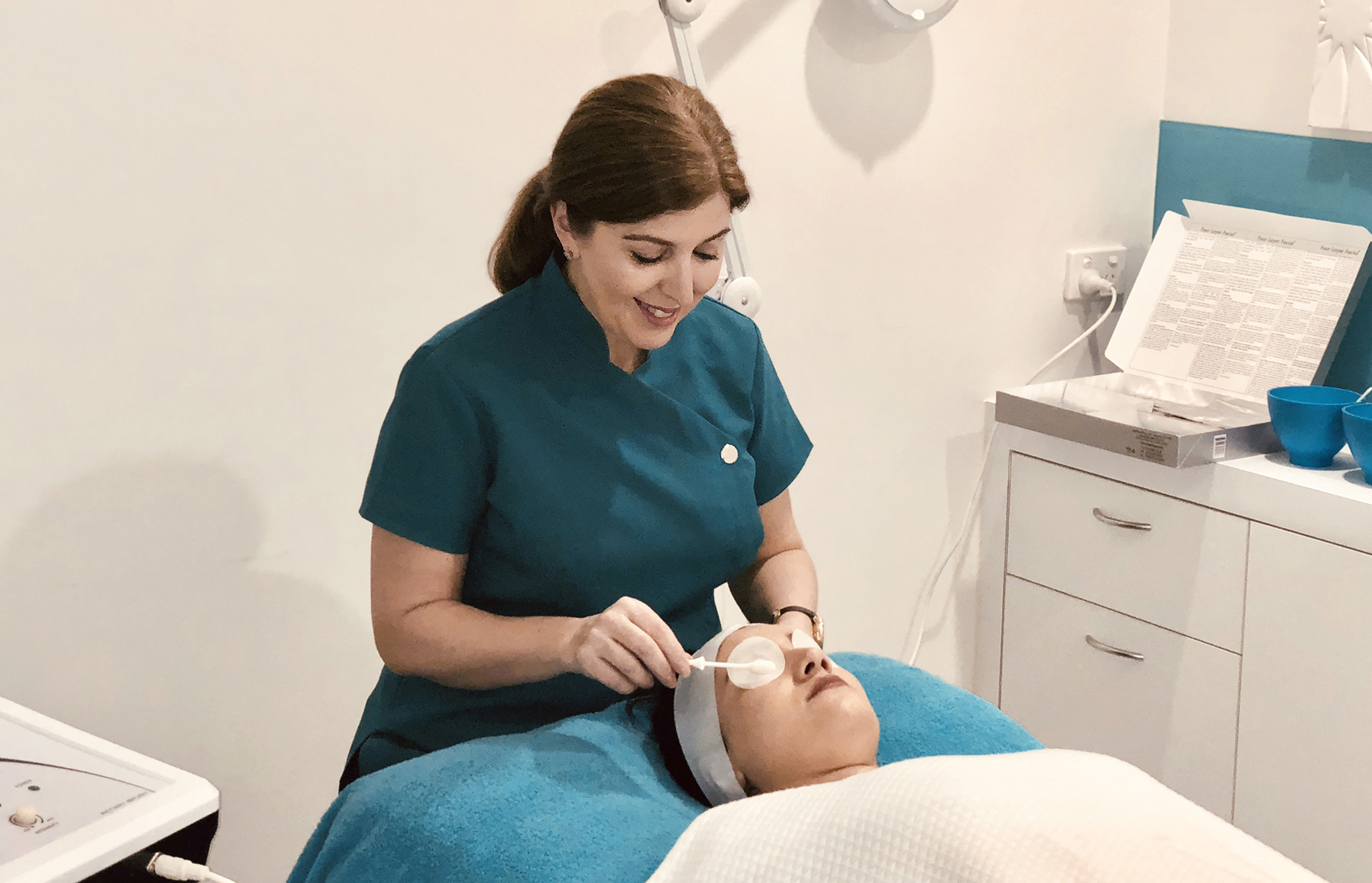
Professional facial treatment showcasing skin care and wellness at Beauty Science Richmond.

Microneedling: The Modern Standard

Microneedling refers to skin needling performed with a motorised, automated device. The needles oscillate up and down at high speed, puncturing the skin vertically rather than dragging across it.

This is what most reputable Australian clinics offer today, and for good reason:

Vertical entry means cleaner micro-channels and less skin tearing

Adjustable depth lets the therapist treat the cheeks differently to the forehead

Faster treatment time across the full face, usually 20 to 30 minutes

Single-use sterile cartridges reduce infection risk

Microneedling suits clients dealing with early ageing, dull texture, pigmentation, mild acne scarring and enlarged pores. Recovery typically involves 24 to 72 hours of redness, similar to mild sunburn.

Dermapen: A Brand, Not a Technique

Here’s where it gets confusing. Dermapen is a brand name. It’s one of the original automated microneedling devices, made by an Australian company, and it’s become so well-known that people now use “Dermapen” to mean any pen-style microneedling treatment.

It’s a bit like calling every tissue a Kleenex. A Dermapen treatment is a microneedling treatment, but not every microneedling treatment uses a Dermapen device. Other clinic-grade alternatives include SkinPen, Eclipse MicroPen and Aquagold, each with their own depth settings and consumables.

If your therapist quotes you “Dermapen 4,” that’s a specific model with sealed sterile tips and depth controls up to 3mm. It’s a solid choice. Just don’t assume every “pen” treatment is the same. Always ask which device, which cartridge and what depth.

Dermaroller: The Old-School (and At-Home) Version

A dermaroller is a hand-held wheel covered in tiny needles that you roll across the skin. It was the first widely available skin needling tool and it’s still sold in two distinct tiers:

  1. Clinical dermarollers (0.5mm to 2.5mm) used by trained practitioners in some clinics
  2. At-home dermarollers (usually 0.25mm to 0.5mm) sold in pharmacies and online

The downside of rollers is the angle of entry. Because the needles are mounted on a wheel, they enter and exit the skin at a slant, which can drag the skin and create wider micro-tears than a vertical pen device. They’re also harder to sterilise between uses, which is a real concern with at-home versions.

At-home dermarollers can support skincare absorption when used carefully, but they aren’t a substitute for in-clinic treatment. For pigmentation, scarring or deeper concerns, you’ll want a professional device in trained hands.

Which One Is Right for You?

Here’s how we typically guide clients at Beauty Science:

Skin maintenance, glow, fine lines – In-clinic microneedling (any reputable pen device) every 4 to 6 weeks

Acne scarring, stretch marks, deeper concerns – Dermapen 4 or equivalent at higher depths, course of 4 to 6 sessions

Between-treatment upkeep – A quality at-home roller at 0.25mm, twice a week, paired with proper serums

Sensitive or reactive skin – Start with a consultation before committing to any device

Beauty Science team in green uniforms promoting skin and wellness, showcasing a collaborative atmosphere.

Choosing the right treatment comes down to your skin goals, your tolerance for downtime and the experience of your therapist. The device matters, but the hands holding it matter more.

If you’re ready to work out which option suits your skin, book a consultation with the Beauty Science team and we’ll map out a plan from there.


Skin Hydration Injections Explained

Skin Hydration Injections Explained

You’ve tried the serums. You’ve doubled down on hyaluronic acid. You drink the water. And somehow, by mid-afternoon, your skin still feels tight, looks a little dull, and refuses to hold onto that fresh-faced glow you had at 25.

It’s a frustrating place to be, especially when you’re doing everything right on the surface. The catch is that topical products can only travel so far. Skin hydration injections work from a different angle entirely, placing moisture-binding ingredients directly into the layer of skin where they’re needed most.

Here’s what they actually are, who they suit, and what to think about before you book one.

What are skin hydration injections?

Skin hydration injections are a non-surgical cosmetic treatment that delivers hyaluronic acid (and sometimes amino acids or vitamins) into the deeper layers of your skin using a fine needle.

Unlike dermal fillers, they’re not designed to add volume or change your facial structure. They sit at a different layer and have a different job: rehydrate, smooth, and improve the overall quality of the skin itself.

Most people refer to them by a few different names:

Skin boosters (the most common umbrella term)

Bioremodelling injections (when the product reshapes the skin matrix, like Profhilo)

Polynucleotide injections (like Rejuran, which uses salmon DNA fragments)

Mesotherapy cocktails (vitamin-and-hydration blends)

They all share one purpose: improving how your skin behaves, not how it sits on the bone underneath.

How they work beneath the surface

Your skin produces less hyaluronic acid as you age, which is one of the reasons mature skin can look drier, finer, and less plump even when you’re moisturising religiously.

When hyaluronic acid is injected superficially, it sits in the dermis and pulls water toward itself. Over a few weeks, this:

“Improves skin texture, elasticity, and suppleness from the inside out, rather than just the surface.”

Some formulations also gently stimulate fibroblasts, the cells responsible for collagen and elastin production. Over time, that can lead to better firmness and a smoother appearance, though changes are typically subtle and natural-looking, not dramatic.

The areas most commonly treated include:

Face (cheeks, around the mouth, fine lines)

Neck and décolletage

Backs of the hands

Skin hydration injections suit people

Who’s a good candidate?

Skin hydration injections suit people who feel their skin looks tired, dehydrated, or rougher in texture, but who aren’t ready for (or don’t need) fillers or anti-wrinkle injections.

You might be a candidate if you:

Notice fine lines that look worse when your skin is dry

Have a dull or uneven skin tone despite a good skincare routine

Want to maintain a fresh appearance preventatively

Have crepey skin on the neck, chest, or hands

Want subtle improvement without changing how your face looks

The treatment isn’t suitable during pregnancy or breastfeeding, if you have active skin infections in the treatment area, or if you have certain autoimmune conditions. A proper consultation will sort through this with you before anything is booked.

For clients in Melbourne curious about which product fits best, our team often recommends starting with Profhilo bioremodelling, particularly for clients with crepey or laxity-prone skin.

What to expect at your appointment

A typical session takes around 30 minutes. After cleansing, a numbing cream is applied to keep things comfortable. The practitioner then places a series of small injections across the treatment area.

You’ll usually feel small pinches and may notice tiny bumps at each injection point. These settle within a few hours to a day or two, depending on the product used.

Most protocols involve a course of two to three sessions, spaced roughly four weeks apart, followed by maintenance every six to twelve months. Results build gradually, so don’t expect a dramatic before-and-after the next morning. The softer, brighter quality usually becomes obvious by the third or fourth week.

Aftercare basics

Avoid touching or massaging the area for 24 hours

Skip makeup for the rest of the day

Hold off on saunas, heavy exercise, and alcohol for 24 hours

Stay sun-smart while the skin settles

skin hydration injections at our Richmond clinic

A few honest things to consider

These injections are not a one-and-done miracle. They work best as part of a longer-term skin plan that might also include in-clinic facials, professional peels, or LED therapy. Results are real, but they’re cumulative and subtle by design.

Pricing varies depending on the product, and any clinic that pushes you into a single treatment without a proper skin assessment is one to walk away from. A good practitioner will always start with a consultation and a skin scan, not a pre-booked syringe.

If you’re considering skin hydration injections at our Richmond clinic, the most useful first step is a personalised skin consultation with our team. We’ll look at your skin’s actual condition, talk through your goals, and recommend what genuinely suits you, whether that’s an injectable, a facial program, or both.

Book your consultation at Beauty Science Richmond.


TGA Bans Use of Melbourne ‘Botox’ & ‘Botox Near Me’ in Advertising

TGA Bans Use of Melbourne ‘Botox’ & ‘Botox Near Me’ in Advertising

You may have noticed beauty and cosmetic clinics are no longer listing certain services on their websites or advertising certain services. This is due to the Therapeutic Goods Association (TGA), the regulator of medical advertising in Australia, restricting the use of terms like ‘Botox’ and ‘Botox Near Me’ in Melbourne and the rest of Australia. 

While this is with good intentions of the TGA, it does make it difficult for Beauty Science and other providers of these services to be transparent about what services we provide. This guide is to help you understand what these regulations now mean and how they impact what we can display online.

Read More